TRENDS IN LINGUISTICS THEORY

In the
second class we discussed the chapter 7 (Trends in linguistic theory) of the
book Fundamental concepts of languages by Hans Stern. Hence, in the classroom
we talked about the different changes that has presented in the history of
linguistics, aspects of language study, the schools of thoughts and the ideas
we had understood from the document.
In the
first part we define some concepts of the book like Semantics (the study of
meaning), lexicology (study of words), philology (study of language grammar), synchronic
(something that has been studied during periods) Acronyc (something that has
been study in a specific moment), syntagmatic (small units of a sentence) and
pragmatics (the meaning we express in a context).
Afterwards,
the teacher started to explain some of the main theories of the linguistics,
based on the book. We could learn that
it was created after the II world war, then Pāṇini wrote the Sanskrit grammar,
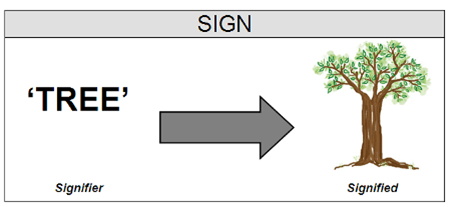
after that Ferdinand Saussure affirmed that language was made up of signs and
that every sign had two sides the Signifier and the signified that we can see
in the next example
Saussure
also said that Parole was regulated by the individual, whereas langue was
regulated by the group.
The view of language in modern linguistics
Language Varieties
 Linguists recognizes, and accepts without value judgement, the
existence of language varieties, such as regional dialects and social
dialects (or sociolects).
Linguists recognizes, and accepts without value judgement, the
existence of language varieties, such as regional dialects and social
dialects (or sociolects).
Nowadays, most of English classes teach just the most famous varieties of the language which are American and British ; however, the other types are not took into account; thereupon, it is important that classes promote this knowledge since these varieties are part of the learning of what the English culture involve. (Strevens 1977a).
Langue and Parole
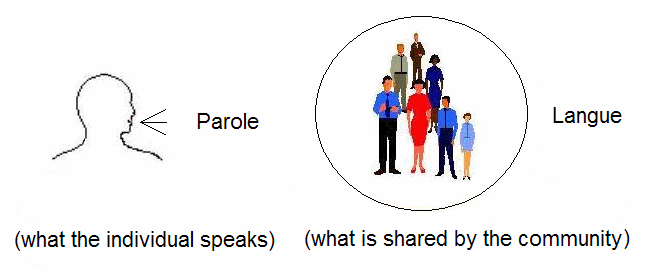 Langue: Is the language as a system or
structure
Langue: Is the language as a system or
structure
Parole: Is the use of the language in utterances,
Performance:Refers to the infinitely varied individual acts of verbal behaviour with their irregularities, inconsistencies, and errors.
Competence: Is the the capacity of the individual to abstract from these acts of performance and to develop system and order.
Aspect of language study
Phonology

The difference between phonetics and phonology is that, phonetics studies the articulatory and acoustic phenomena which make it possible to produce and perceive speech sounds. On the other hand, phonology, is a more strictly linguistic discipline which investigates the sound systems of particular languages and develops general principles applicable to the sound systems of all languages. Phonology is less concerned with the analysis of concrete and individual.
Phonetics can be considered as helpful to pronunciation teaching in that it provides the teacher with a diagnostic understanding of how speech sounds are produced. Phonology is needed to understand what constitutes the sound system of a particular language.
Grammar
Is the branch of the description of languages which accounts for the way in which words combine to form sentences’ (Lyons 1971:63). It is divided in morphology and syntax
Morphology studies the internal structure of the forms of words, while syntax is the study of sentence structure.
Lexicology
Is the study of lexis or vocabulary. For language instruction, lexicography, and other practical activities a systematic understanding of lexis is important, and the neglect is all the more curious and unjustified.
Directions in linguistics
Linguistics has advanced in two main directions. One is the detailed study of the different branches of specializations, for example, phonetics or syntax. The other is the study of language as a whole, the attempt to discover how the different parts of language interact and how the total language as a ‘system of systems’ can best be grasped.
Schools of thought
Bloomfield and American structuralism
Bloomfield’s predominant concern was to establish linguistics truly as a science of language. The task that he saw was needed was two fold: (a) to delimit the role of linguistics in relation to other sciences, and (b) to develop the principles and concepts of linguistics into a well balanced and unified structure.
Bloomfield wanted linguistics to become an empirical, descriptive science in these terms: ‘that science shall deal only with events that are accessible in their time and place to any and all observers (strict behaviorism)
Neo-Firthian theory
Halliday view that a
linguistic description is on three levels: substance (phonic or graphic),
form, and context. Three branches of linguistic study correspond to
these three levels: phonetics and phonology examine the phonic
substance (graphology the graphic); grammar and lexicology study , linguistic forms; and semantics studies the context which relates
linguistic form to non-linguistic events
Transformational generative grammar
The central figure in this approach is Noam Chomsky.
The primary purpose of transformational generative grammar was to investigate an area in which structural linguistics had hitherto made only limited progress, namely syntax. Structural linguistics had built up an impressive technical apparatus for the study of phonology and morphology, but its treatment of syntax was far less assured.
Language Varieties
Linguists recognizes, and accepts without value judgement, the
existence of language varieties, such as regional dialects and social
dialects (or sociolects).Nowadays, most of English classes teach just the most famous varieties of the language which are American and British ; however, the other types are not took into account; thereupon, it is important that classes promote this knowledge since these varieties are part of the learning of what the English culture involve. (Strevens 1977a).
Langue and Parole
Langue: Is the language as a system or
structureParole: Is the use of the language in utterances,
Performance:Refers to the infinitely varied individual acts of verbal behaviour with their irregularities, inconsistencies, and errors.
Competence: Is the the capacity of the individual to abstract from these acts of performance and to develop system and order.
Aspect of language study
Phonology
The difference between phonetics and phonology is that, phonetics studies the articulatory and acoustic phenomena which make it possible to produce and perceive speech sounds. On the other hand, phonology, is a more strictly linguistic discipline which investigates the sound systems of particular languages and develops general principles applicable to the sound systems of all languages. Phonology is less concerned with the analysis of concrete and individual.
Phonetics can be considered as helpful to pronunciation teaching in that it provides the teacher with a diagnostic understanding of how speech sounds are produced. Phonology is needed to understand what constitutes the sound system of a particular language.
Grammar
Is the branch of the description of languages which accounts for the way in which words combine to form sentences’ (Lyons 1971:63). It is divided in morphology and syntax
Morphology studies the internal structure of the forms of words, while syntax is the study of sentence structure.
Lexicology
Is the study of lexis or vocabulary. For language instruction, lexicography, and other practical activities a systematic understanding of lexis is important, and the neglect is all the more curious and unjustified.
Directions in linguistics
Linguistics has advanced in two main directions. One is the detailed study of the different branches of specializations, for example, phonetics or syntax. The other is the study of language as a whole, the attempt to discover how the different parts of language interact and how the total language as a ‘system of systems’ can best be grasped.
Schools of thought
Bloomfield and American structuralism
Bloomfield’s predominant concern was to establish linguistics truly as a science of language. The task that he saw was needed was two fold: (a) to delimit the role of linguistics in relation to other sciences, and (b) to develop the principles and concepts of linguistics into a well balanced and unified structure.
Bloomfield wanted linguistics to become an empirical, descriptive science in these terms: ‘that science shall deal only with events that are accessible in their time and place to any and all observers (strict behaviorism)
Neo-Firthian theory
Transformational generative grammar
The central figure in this approach is Noam Chomsky.
The primary purpose of transformational generative grammar was to investigate an area in which structural linguistics had hitherto made only limited progress, namely syntax. Structural linguistics had built up an impressive technical apparatus for the study of phonology and morphology, but its treatment of syntax was far less assured.

No comments:
Post a Comment